

 Apply Now: Gandhian Young Technological Innovation Awards (GYTI) 2023
About SRISTI
SRISTI is a developmental voluntary organization aiming to strengthen the creativity of/at/for grassroots communities, and individual innovators. It supports eco-friendly solutions to local problems being scouted, spawned and spread by the Honey Bee Network for over 33 years. It also nurtures eco-preneurs engaged in conserving biodiversity, common property resources, cultural diversity and educational innovations. There are five pillars of Honey Bee Network which SRISTI is committed to reinforce:
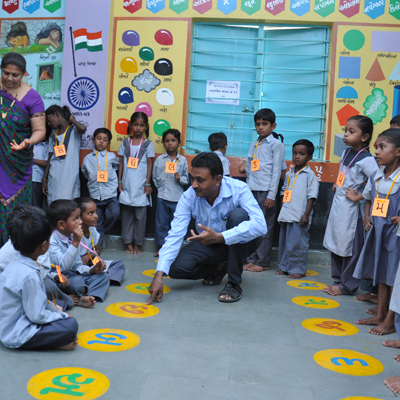
- Educational innovations by school and college teachers, students and other stakeholders
- Institutional innovations at community and other levels in managing resources
- Improving access of knowledge-rich, economically poor people to trigger self-reliant development process
- Cultural creativity so that curiosity, collaboration, and compassion grow through art, literature and crafts etc.
- Technological innovations and traditional knowledge dealing with human, animal, plant and ecosystem health, and policy reforms to generate frugal innovations for sustainable development at all levels, with specific reference to youth, children, women and elderly.
You may read about our various activities and social movement pursued to empower the creative and compassionate people, get involved in the movement, download Honey Bee newsletter, research papers and be a Bee, volunteer, contribute, and own the only sky we have to share.
The Honey Bee Philosophy
Honey Bee Network’s mission is best explained through the metaphor of a honey bee which does what many intellectuals and other privileged people fail to do. It gathers nectar from the flowers without impoverishing them. The Network similarly seeks to ensure that people do not feel short-changed when they share their knowledge with outsiders. It is for this reason that communication in local languages became an important norm. Promotion of lateral learning among creative individuals and communities through local language newsletters is one of the important missions of the Honey Bee Network.
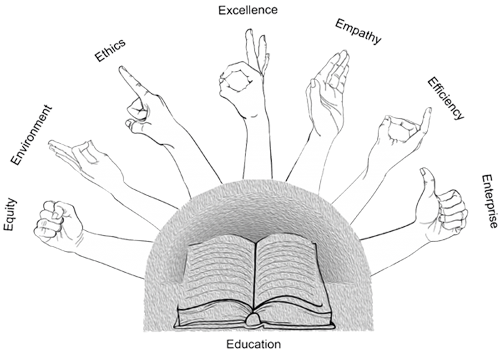
Philosophy of Eight Es
The ethical fulcrum of SRISTI can be captured by eight E’s (Ethics, empathy, equity, efficiency, excellence, environment, education and entrepreneurship) – the values that are central to the existence of Honey Bee Network. These provide a framework for societies seeped in mediocrity to get over their inertia and move towards a compassionate, creative, competitive as well as collaborative society.
New Events

SRISTI Summer School on Inclusive Innovation 2021

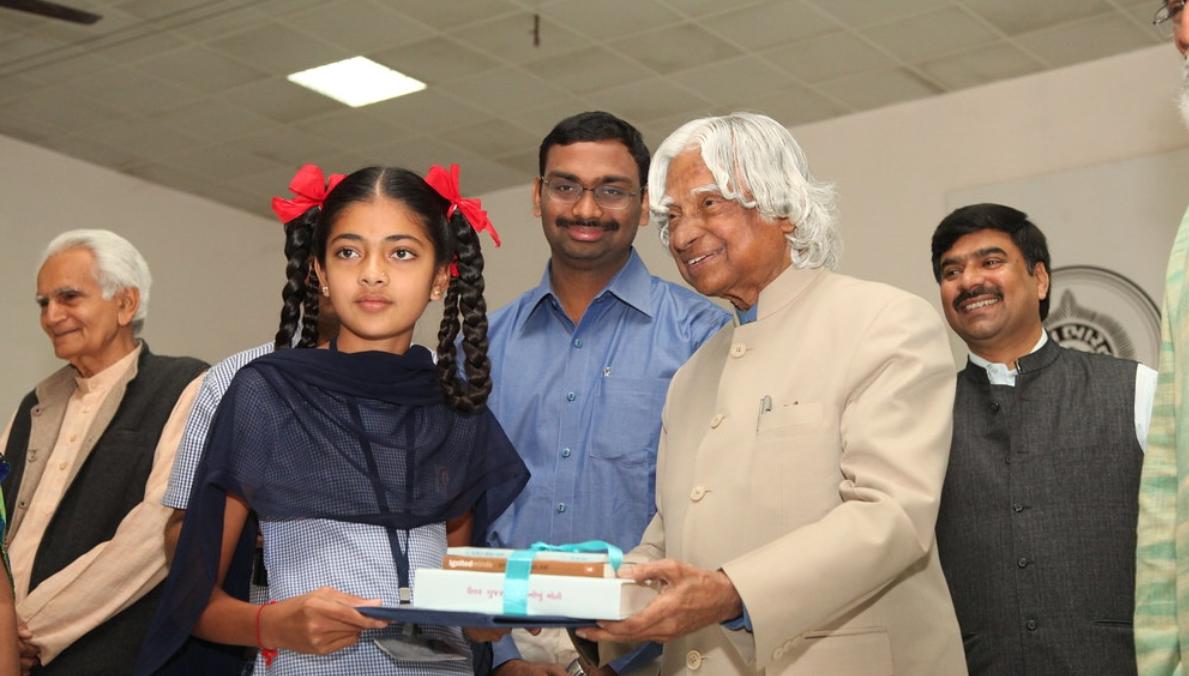
Dr APJ Abdul Kalam Ignited Mind Children Creativity & Innovation Awards 2021
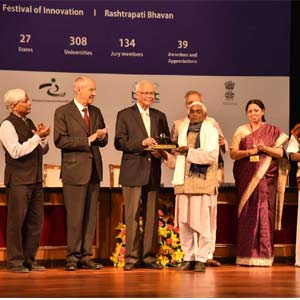
Nominations sought for SRISTI Samman Awards 2021

MOOC - Let us Innovate, Let us Invent - आओ चलो अविष्कार करे
Innovation
Educational

Cultural

Institutional

Technological
Key Activities

Shodhyatra
Achievements

Sattvik
Children Workshop
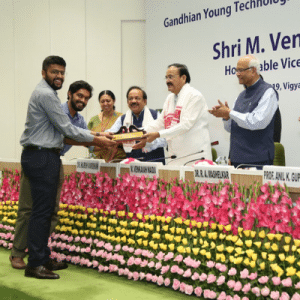
GYTI Awards

Padma Awards

Global Teacher Prize

GYTI Achievers

Nari Shakti Puraskar
In the News
New Event

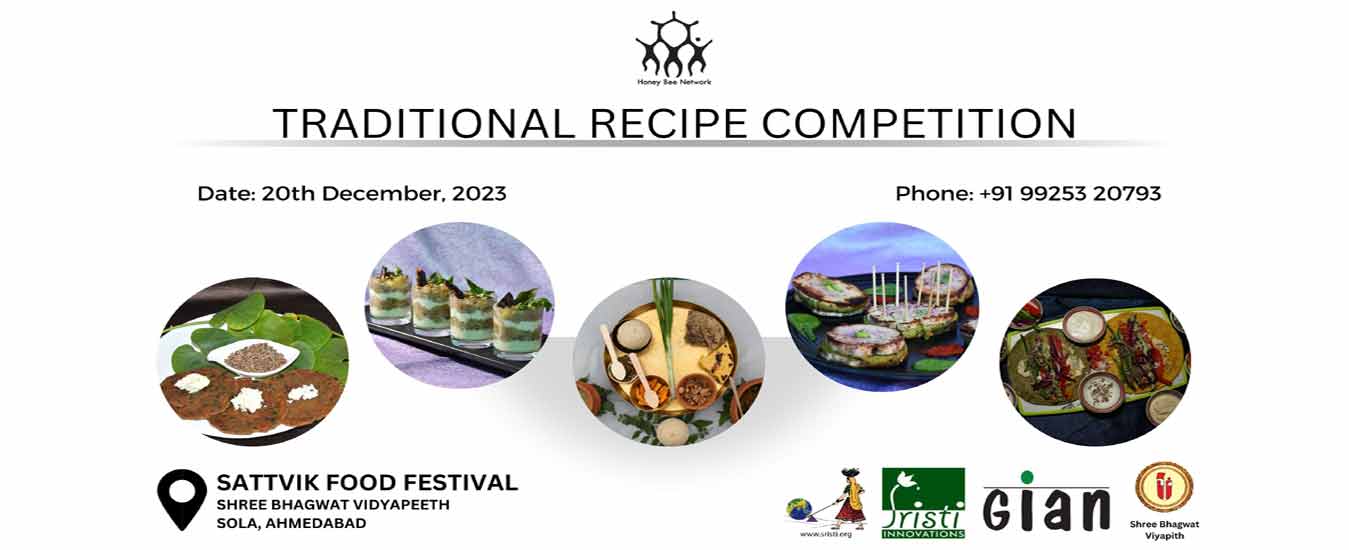
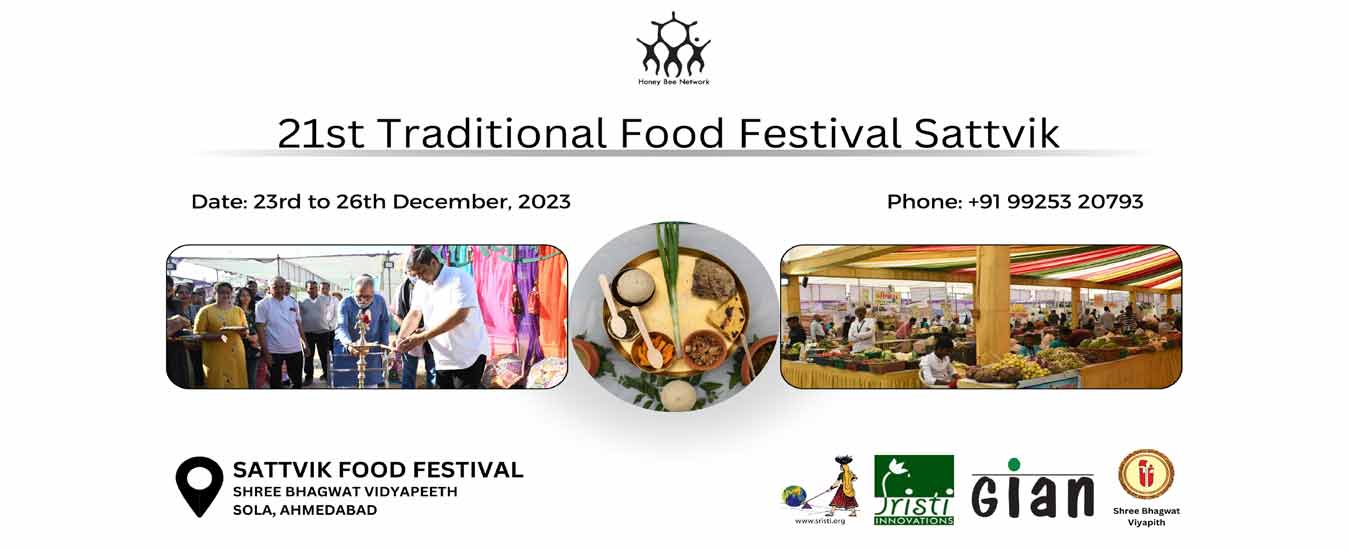
Sattvik Food Festival - 23rd to 26th December 2023 at Bhagwat Vidyapeeth, Sola, Ahmedabad, Gujarat.

50th Shodhyatra (Golden Juiblee Celeberation - 18th to 24th January 2024 at Kiphire, Nagaland.
GYTI Award 2023
Partners

Honeybee Network

SRISTI Innovations