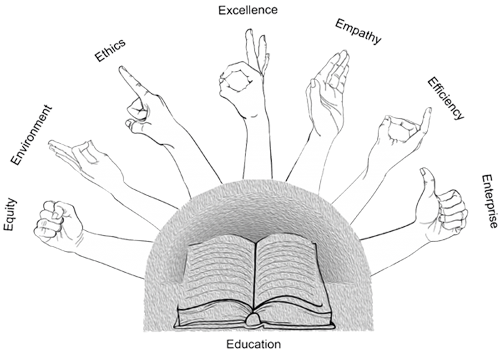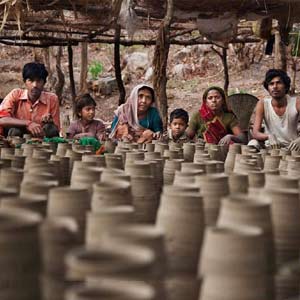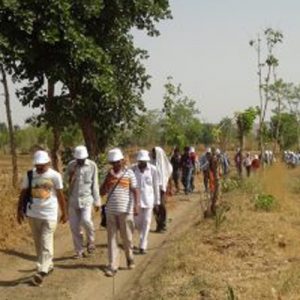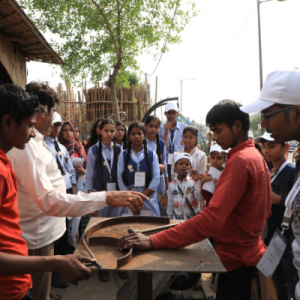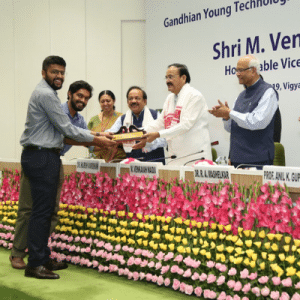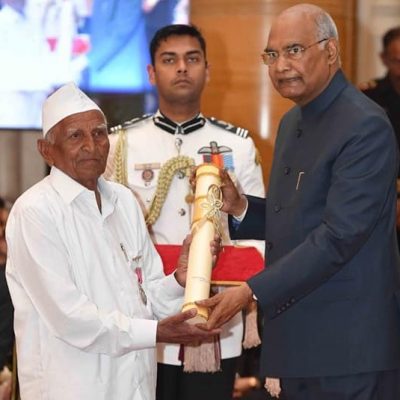
SRISTI was created to provide institutional support up to the activities of the Honey Bee Network. However, over the last sixteen years, SRISTI has not only intensified the initiatives of the Honey Bee Network, but also has diversified many of its activities. SRISTI, which began with the focus on unearthing grassroots creativity, innovation and traditional knowledge, today is an international player in the field of entrepreneurship promotion, intellectual property rights, knowledge dissemination pertaining to traditional knowledge & creativity, promoting policy favouring innovations and local knowledge, organic farming etc. All throughout these years, SRISTI has focused upon the issue of establishing some sort of synergy between innovations that promote conservation of bio-diversity and other natural resources and the concerns of ethics, excellence, equity and environment. SRISTI has been able to upgrade its standing and legitimacy among the policy makers, intellectuals and grassroots innovators alike and at the root of such wide acceptance lies the activities of the organization. Following are the major activities of the organization.
Scouting, Documentation & Dissemination: The activity focuses upon scouting and documenting unique grassroots innovations and traditional practices from various parts the country and sharing the learning from such innovations and practices with the wider audience. Learn more about it …
Validation and Value Addition: The activities aim at developing the herbal formulations derived from the grassroots practices into viable, user-friendly and marketable products through proper research and development. Learn more about it…
Policy Analysis & Advocacy: The activities aim at bringing about policy level changes and incorporating more fovourable policy regimes for the promotion of grassroots innovations and practices. Learn more about it…
Campaigning and Awareness Building: The activities focus upon generating awareness and building public opinion about grassroots innovations and traditional practices, organic farming etc. Learn more about it…
AASTIIK: It aims at creating a virtual and real knowledge community of professionals and experts in the field of invention, innovation and traditional knowledge. Learn more about it…
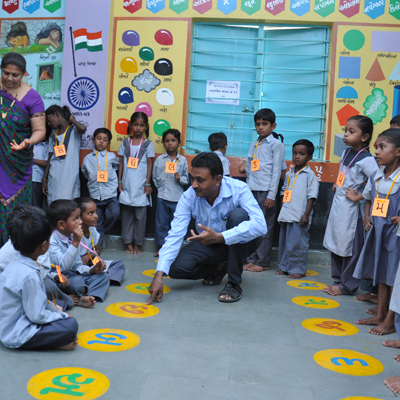
The Educational Initiatives: The activities aim at scouting, documenting, encouraging and supporting innovative means of teaching children about the subjects and building awareness about the rich bio-diversity around them. Learn more about it…
ICT initiatives: The activities focus upon integrating the services of information and communication technology with the concern of building the knowledge network to connect grassroots innovators and traditional practitioners across the boundary of region, language and culture. Learn more about it….
Natural Resource Management: The activities focus upon validating and initiating innovative means of conservation of nature and bio-diversity.
Biodiversity :
Incentives for supporting on-farm conservation, augmentation of agro-biodiversity through farmers innovations & community participation An international consultation for learning from grassroots initiatives and institutional interventions Learn more about it...
Grassroot Innovations for Inclusive Development (GRIID PROJECT) :
Understanding factors for the emergence, existence and successful functioning of GRIs within the NIS
Study Institutional environment for promoting GRI
Capacity building of individual and institutional actors for upscaling and promoting GRI Learn more about it...
funded by, ![]()
Understanding factors for the emergence, existence and successful functioning of GRIs within the NIS
Study Institutional environment for promoting GRI
Capacity building of individual and institutional actors for upscaling and promoting GRI
Creating opportunities (existing, experiential and perceived or anticipated) for dissemination and incentivisation.
Institutional environment for promoting GRI.
Explore evolution of portfolio of material and non material incentives with specific attention to identifying concomitants of GRI-friendly IP policies and procedures.
|
|
|
SADBHAV-SRISTI SANSODHAN LABORATORY: DEFINING NEW STANDARDS IN VALIDATION & VALUE ADDITION OF PEOPLE'S KNOWLEDGE
Erosion of people's knowledge is perhaps a greater threat to sustainability than the erosion of the resource base itself. One reason why knowledge erosion (both traditional as well as contemporary) takes place is because of the low value attached to it. Most herbalists share their knowledge generously within and outside their communities without much charges or monetary compensation. It is as if their superior ethical values become responsible for their continued poverty. Young people around these herbalists may admire the spirit and the knowledge systems of their elders but seldom want to pursue the profession held by their preceding generation and perfecting it. One of the many reasons for their lack of interest lies in the absence of any assurance about a worthwhile future professional opportunity, which could ensure a higher standard of living. With rising aspirations in life, most young people would expectedly like to have some assurance of higher quality of living. One way to ensure this would be to add value to this knowledge base, to generate commercial as well as non-commercial returns and to ensure that people have a reasonable stake and share in the income so generated. Unless some value addition takes place locally, the trickle down of the benefits is generally low. In addition, if the providers of knowledge and conservators of resources do not have a stake in the institutions, which add value to their knowledge and creativity, it is unlikely that their gains will be durable and substantial.
Value addition and commercialization by linking formal and informal knowledge systems based on their strengths and assets will spur innovations to build sustainable technologies of the future. Often simple characterization of natural products adds value and creates demands or meets the existing demand in more cost effective manner than otherwise available. Therefore, converting local innovations into marketable products through on-farm, and state of the art lab research will help in addressing the issues of value addition for local populace and develop meritocratic benefit sharing agreements with innovators and conservators of a vast plant and genetic resource.
One way to make sure that this happens is to establish a laboratory, which is dedicated to add value to local knowledge, resources, and institutional structures. Hence, came up the Sadbhav-SRISTI Sanshodhan Laboratory, which converts the local knowledge and resources into value-added products with simultaneous development of processing facilities in the rural region where resources exist. The lab was established with the capital grant from the Sadbhav Trust, Mumbai.
Understanding the critical co-relationship between global development and local actions, SRISTI has taken up the responsibility of policy analysis and advocacy with right earnest. In the field of policy analysis and advocacy, the focus of the efforts has been on academia including the international professional and scientific bodies, governments of various countries including India and business communities. The primary areas of professional intervention have been in the field of agro-biodiversity and integrating its concern in the level of policy formulation, influencing wide range of stakeholders in the field of intellectual property rights, evolving more public opinion on issues of traditional knowledge, bio-diversity, innovations etc.
PAST INITIATIVES IN ADVOCACY AND POLICY ANALYSIS
In the past SRISTI had been in the forefront of advocating the traditional intellectual rights of innovators upon their products, mobilizing the support of various stakeholders to articulate their opinion on issues pertaining to traditional knowledge, grassroots innovations, preservation of bio-diversity etc. Over the years, SRISTI has been able to rope in the support of several major patent attorneys within the country (D K Ahuja & Co, Calcutta) and abroad (THT Boston). SRISTI was also the brain behind the proposal for setting up INSTAR (International Network for Sustainable Technology Applications and Registrations)- a registry system for inventions and innovations to help secure IPR protections for the grassroots innovators. On the request of World Intellectual Property Organization (WIPO), SRISTI and IIMA had organised a workshop on the IPR of farmers and the workshop was able to touch upon critical issues such as erosion of traditional knowledge, contemporary innovations that need IPR protection, role of NGOs and scientists in the development and value addition of innovations etc. SRISTI has been advising Government of India in the drafting of a new bill on the ratification of CBD (Convention on Biological Diversity) and redesigning the patent law in the country. SRISTI had organised several consultative sessions with private sectors, scientists, activists and development workers for discussing various issues related to the access to bio-diversity. In the past, the efforts of SRISTI were instrumental in setting up Gujarat Grassroots Innovation Augmentation Network (GIAN) and National Innovation Foundation (NIF).
CURRENT FOCUS IN ADVOCACY AND POLICY ANALYSIS
One of the major policy breakthroughs came in the meeting of the advisory group for the consortium on science and technology for sustainable development that took place in Austria from 21-23 June 2004. The International Science Council, Paris set up the advisory group to recommend policies for various scientific associations in the world to promote sustainable development. The advocacy effort was able to highlight the contribution that the grassroots innovations can make in this regard apart from making changes in the education curriculum to make it more responsive to societal aspirations in the developing countries.
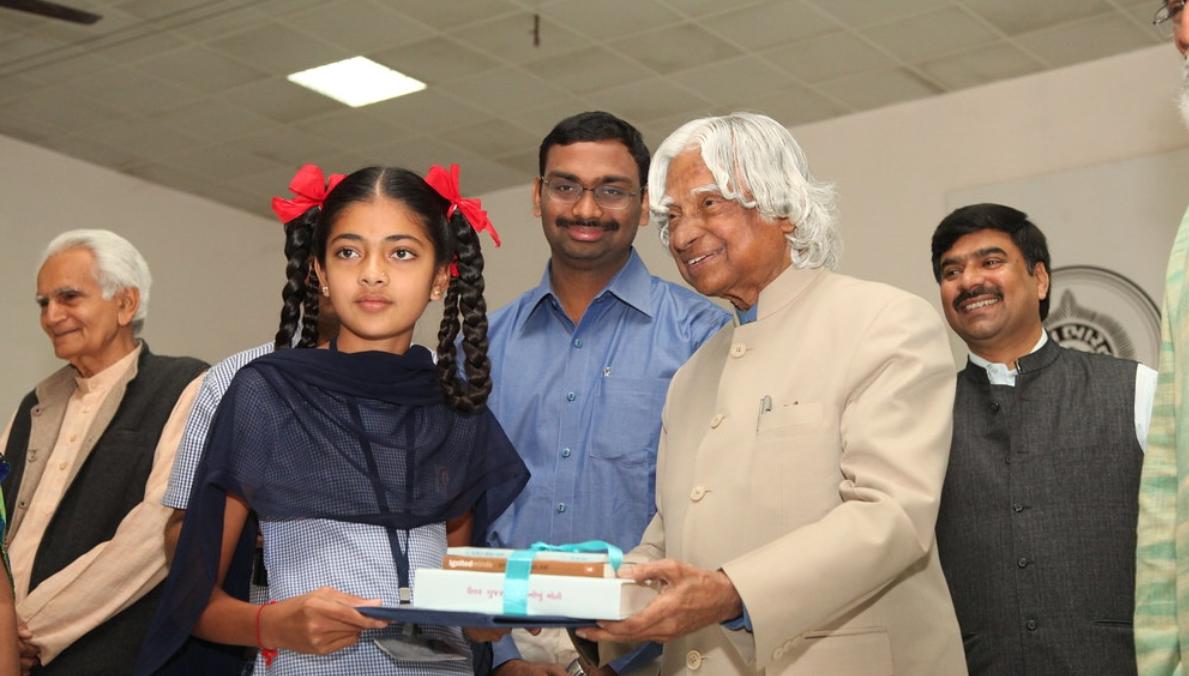
The meeting with the Honourable President of India on 18 June 2004 was a major step in highlighting the issues of traditional knowledge, innovation, local knowledge system, conservation and promotion of bio-diversity. Meeting with Union Science & Technology Minister, Mr. Kapil Sibbal and Dr.R.A.Mashelkar, Director General, CSIR was instrumental in highlighting a few policy issues that urgently needed to be pursued such as transfer of grassroots green innovations and traditional knowledge to Africa, legal protection for the innovations and traditional knowledge documented by NIF, creating public pool of innovations for wider dissemination through low cost or no cost licensing fees, to encourage the incorporation of insights acquired from grassroots innovations in the formal education system, starting a five to seven minutes programme at prime time on Prasar Bharti (radio and television) to create awareness and change the mood of the society to prove that creativity counts, knowledge matters and incentive inspires etc. All these issues were discussed along with a structured line of proposed activities to achieve the success in above issues.
The participation in the CSIR Governing Council meeting chaired by Prime Minister on July 26, 2004 helped in highlighting the problem of large database of herbal leads remaining to be harnessed. The recommendation for technology mission on the knowledge based approach to poverty alleviation with focus on tribal regions might take shape in couple of years, if not earlier.
The lecture by Prof. Anil Gupta at the convention of Vice Chancellors of Agricultural Universities on January 12, 2005 at Hariyana Agriculture University, Hisar has already generated several concrete actions such as initiation of steps to start entrepreneurship development programmes in agricultural universities, which are almost conspicuous by absence today, developing linkage between formal and informal science through a much more focused approach, to undertake thorough review of postgraduate research so that the issues affecting sustainability of agriculture are not persistently neglected and inviting innovators to the classroom in various universities to inspire students to start thinking seriously on developing prospects of entrepreneurship development on the basis of grassroots innovations.
The advocacy for the international competition with governments of Brazil, China, South Africa, Uganda and several European countries would materialize shortly. The idea is picking up momentum in England, France and Costa Rica. Discussions have been held with the Ministers of Environment of several countries apart from building linkages with other senior officials.
INITIATIVES IN THE FIELD OF IPR (INTELLECTUAL PROPERTY RIGHTS)
SRISTI has made all possible efforts in bringing favourable changes in IPR regimes to benefit the knowledge rich and resource poor grassroots innovators. Over the last three years, SRISTI has filed patent rights for six grassroots innovations in US and out of them three have been granted US patents. They include the cotton stripping machine innovated by Mansukh Bhai Patel, multiple use oriented tractor by Bhanji Bhai Mathukai and the adaptive agricultural machine by Mansukh Bhai Jagani. Recently SRISTI undertook the exercise of updating tables and generating new data for patent advocacy after examining more than 60,000 patents.
Till date two video films on farmers' innovations have been produced in collaboration with DECU (Development Education Communication Unit) and Indian Space Research Organization (ISRO). The first one produced in 1991 dealt with farm implements innovated by artisans in Saurastra and was telecasted in Doordarshan in September, 1997. Edward Milner, a film-maker from BBC and a private agency TVE made a film for IFGRI (International Plant Genetic Resources Institute), Rome on global experiments and initiatives for conservation of agro-biodiversity that included stories on bio-diversity contests organised by Honey Bee Network. BBC world radio made a programme which was broadcast in their world programme series entitled 'Bank of Ideas'. This was followed by BBC world TV, which made a programme called 'Patently Obvious'.
EMRC, Gujarat University has made four films as a part of a series called Shodh Yatra based on three to four innovators in each part of Gujarat. They are developing three more parts based on innovations from Tamilnadu and Karnataka. Several Other channels like Zee Network, Star TV, Jain TV etc. have covered the activities of SRISTI from time to time. Radio Mirchi also broadcasted information about one innovation per day in its daily programme Hello Amdavad.
The interest of print media in the activities of SRISTI has been equally generous. In October 2000, the Far Eastern Economic Review announced it's Asian Innovation Awards and the gold medal went to Prof. Anil K. Gupta, IIM, Ahmedabad and SRISTI. Business Week (Asian Ed, 2 July, 2001) featured Prof. Anil K. Gupta as one of the 'Stars of Asia: 50 leaders at the forefront of change'. The International Herald Tribune (11 October, 2001) carried an article written by Prof. Anil K. Gupta entitled 'Rich in ideas: Grassroots creativity'. In February 2002, Business World carried a feature on grassroots innovators (4th February 2002) and subsequently brought out a special issue on innovation (11th February 2002) and in both the publications SRISTI found mention. Recently Outlook (9th July 2005) carried a special feature on the grassroots innovations with a guest column by Prof. Anil K. Gupta entitled 'Potters Wheel'.
The concern for conservation of biodiversity and its sustainable utilization has to be developed among the children at young age so that their attitudes in this regard can be moulded. The concept of biodiversity competition means children in a village school are informed about the competition a few weeks in advance. Each child is told to bring on the appointed date, a list of as many plants as they can find out, identify their uses after talking to their grandparents, neighbours or whoever, and collect samples in the case of plants which are not endangered. They are given points on the basis of each criterion and are also quizzed to find out whether they remember some of the things that they have written. The top rankers are given prizes and social applause. Such competitions invariably lead to a process of knowledge churning in the village.
In the last few years, bio-diversity competitions have been held in many districts of Gujarat. The bio-diversity competition held in Rapar taluka of Kutch district in association with the local NGO collaborator witnessed amazing response from the children. The contest was organized in the nine schools of the taluka and 336 students participated in the competition. Among them there were at least, 33 students who know the names and usages of at least 100 plants. The participant, who was awarded first prize in the bio-diversity competition, could remember the names of 728 plants, out of which he wrote the names of 572 plants and could remember the use of 156 plants. In another bio-diversity contest held in the Banaskantha district, a total of 364 students participated from nine schools. The participant, winning the competition was able to name 612 plants, out of which, he wrote the names of 265 plants, could remember the use of 258 plants and got the samples of 89 plant varieties.
The challenge is that much of this knowledge is lost over time because of the inability of market to price these resources. What is worse is that many of the young people who have enormously rich knowledge of biodiversity and its uses become so called, 'unskilled' labourers in the urban market. Once the knowledge systems of this kind are devalued, their erosion becomes inevitable. SRISTI is looking into various kinds of incentives which can be generated not only to conserve but also to augment the knowledge base as well as the resource base.
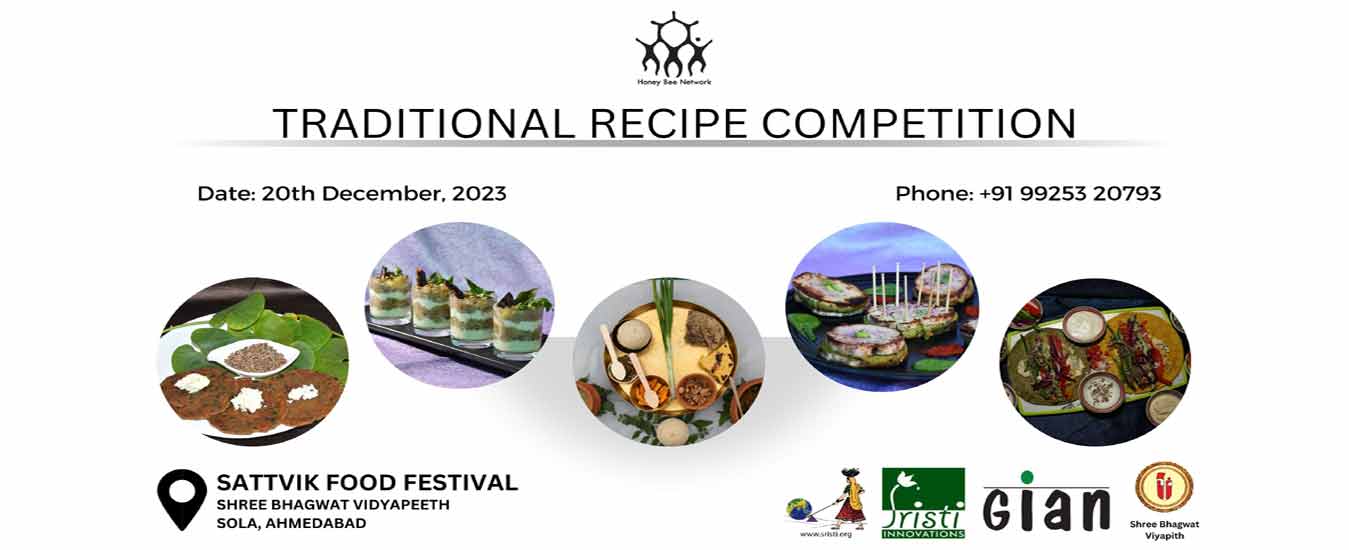
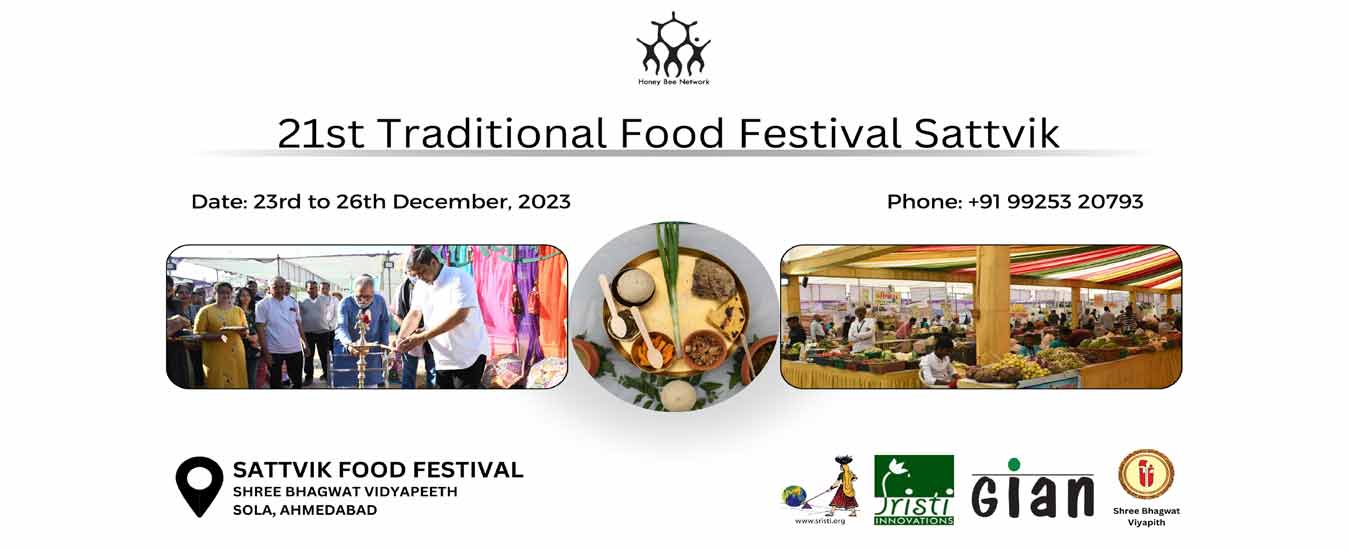
SRISTI till date has organised two traditional food festivals under the banner of 'Sattivik'. A large variety of crops particularly from the interiors are getting lost because there is not any demand for it. This is simply because people are not aware of these crops and hence regard them as inferior. Unfortunately, neither the public policy nor the market forces have helped in procuring them. The festival was organised with keeping four objectives in mind.
They are :
This occasion has also been used to generate awareness about organic farming and organic farm products among children by involving them in various creative exercises. Surveys have also been conducted during the food festivals to gauge people's knowledge, attitude and practice towards organic food and organic farming. During the food festival, foods from different parts of the country are showcased, along with a separate chapter of organic food products. Recipe competitions and quiz competitions are held among women and children respectively. Understanding the critical link between food and culture, the food festival, which brought together the diverse of foods, recipes and food products, is only a cursory glance at the existing cultural diversity in our society.
SRISTI has always valued the creative genius of the budding professionals in different fields; more so with the disciplines that have a strong link with grassroots innovations, traditional knowledge system, entrepreneurship, development of ICT to link innovations, innovators and the systems of formal education, organic farming, intellectual property rights etc. There are 4, 00, 000 technical students in India. If even 1% of their creative genius were to add to the local knowledge, 4000 problems would get solved or at least get analysed. Similarly there are numerous students in the disciplines of management and social sciences, who deal with issues that are close to SRISTI's the fields of concern. Recognizing this vast pool of knowledge reserves among the budding professionals in contributing towards the problem analysis and solutions, SRISTI taps these resources through internship opportunities, business plan competition, design solution competition etc. In the past SRISTI has engaged students from reputed institutions in summer internship, organised business plan competition called 'Disha' in association with NIF and competition on design solution called 'ENgenious'. These initiatives have shown tremendous promise.
The business plan competition, called Disha was organized by NIF, with active support from SRISTI. The major objectives of the contest were to involve students from business and technical/engineering schools in the process of business plan development on grassroots innovations, enabling students to synergize their business acumen with grassroots genius and enabling students acquire entrepreneurial skills. Except the final round of presentation at IIM, Ahmedabad, all other processes pertaining to the organization of the business plan were done on-line. A separate web-site (www.disha.scai.org.in) was developed for the business competition and the managerial and logistical supports were provided by GIAN and NIF. Invitations were sent to the 250 colleges of management, engineering, pharmacy and agriculture. 313 teams from 79 institutes registered for the competition. At last 36 business plans were received at the end of the deadline period and out of which 11 best business plans were selected for final presentation. In the final presentation, total six teams were awarded and the awards were given away by Dr.R.A.Mashelkar, who delivered the presidential address at Third Award Function of National Innovation Foundation (NIF) on 5th January, 2005. There was very active contribution from the faculty from IIMA, in not only judging the final presentation but also in giving feedback to the participants. The competition was instrumental in unleashing the creative potentialities of the young entrepreneurs. Similar competitions are being planned in European institution next year.
For the detailed report on "Disha: The Business Plan Competition"
ENgenious is a design competition held at Shastra, the technical fair organized by the students of Indian Institute of Management, Madras from 8-10 October 2004. The aim was to provide a platform for generating design solutions to socially relevant problems. Engineering students from colleges all over India participated in the three day event. 17 teams participated in the competition and some of them submitted multiple entries. A total of 26 entries were received. This was an excellent exercise to involve a small sample of the 400,000 students, who study at technology institutes around India every year. The problems were chosen after keen deliberation on their feasibility and relevance and after consulting and taking the help of NGOs and organizations including NIF and SRISTI. SRISTI posed several problems and Professor Anil Gupta was invited to judge the top ten entries that were short listed by three professors of Mechanical Engineering Department of IIT, Madras. Five top entries were given cash awards.
For the details of a few selected entries, click here
Shastra created tremendous awareness about SRISTI, NIF and the Honey Bee Network activities. The participating teams were shown a video on BBC coverage of NIF and Honey Bee Network activities at Shastra.
As a continuation of the event, an exhibition of Rural Technologies and Innovations was organized for 2 days with help from SRISTI, GIAN and NIF. Innovators from all over the country displayed their innovations and interacted with the visitors, thereby increasing public awareness about growth and development of rural technology.
Internship Opportunities:
If you are interested in exploring and contributing towards the issues of grassroots innovation, traditional knowledge, entrepreneurship development, organic farming, natural resource management, Prior Inform Consent, Intellectual Property rights, ICT applications in the field of innovations, click here to submit your resume.
Besides, the effort of reaching out to multiple stakeholders through print and electronic media, SRISTI has left no stone unturned to rope in as much supporters as possible for the cause, it espouses. There was discussion with the Chairperson of CBSE about the involvement in national campaign organised by NIF to scout ideas and innovations from the students, which would be co-sponsored by SRISTI and Honey Bee Network.
Prof. Anil Gupta of SRISTI addressed students at IIT (Indian Institute of Technology), Madras, National Law School, Bangalore, IIT, Kharagpur, IIT, Bombay, St. Kabir Higher Secondary School, Ahmedabad, Rainbow School for Tiny Tots, SPICMACAY Group in IIT, Delhi, Dhirubhai Ambani Institute of Communication Technology, Gandhinagar, held a workshop of innovative primary school teachers from all over the country in Gandhinagar, gave a keynote address at the annual conference of vice chancellors of agricultural universities, Hisar and addressed students of agricultural college in the meeting with the vice chancellor and faculty of agricultural universities, Bangalore, delivered a keynote address at a workshop of innovators, entrepreneurs, students and faculty at Thiyagaraja College of Engineering (TCE), Madurai, where a GIAN cell is also being set up, etc.
The details of the workshops and seminars addressed by Prof. Gupta, click here
Inventors of India Workshop was organised by Centre for Innovation, Incubation and Entrepreneurship, IIMA, Department of Scientific and Industrial Research, and EU supported project on Knowledge Network for Grassroots Green Innovators during September 24-26, 2004. Seventy six participants from formal and informal sector attended the workshop. The major outcome was that participants agreed to volunteer for various activities such as helping each other by way of providing access to workshops, mentoring support and in some cases even financial support. Various groups discussed four issues (i) blending formal and informal science (ii) valorizing grassroots and mass impact innovations, (iii) managing micro venture fund and (iv) taking innovations to market. These four groups met on the second day after the conclusion of the grassroots innovations workshop. Several critical suggestions were made which will be taken up for further investigation next year.
Academy for Augmenting Sustainable Technological Inventions, Innovations, and Traditional Knowledge (AASTIIK) began as an independent programme last year. It aims at creating a virtual and real knowledge community of professionals and experts in the field of invention, innovation and traditional knowledge. During the current year, considerable progress has been made in the constitution, governance, perspective formulation and undertaking the research concern of the Academy.
WHY AASTIIK ?
Honey Bee Network has provided a democratic, authentic and ethical platform for grassroots innovators and traditional knowledge holders from different parts of India and many other countries in the world for the last sixteen years. SRISTI provides a back up support. We are trying to set up an academy viz., AASTIIK (Academy for Augmenting Sustainable Technological Inventions, Innovations and Traditional Knowledge) to provide conceptual, institutional and on- line support to the distributed network of knowledge rich-economically poor innovators and traditional knowledge holders.
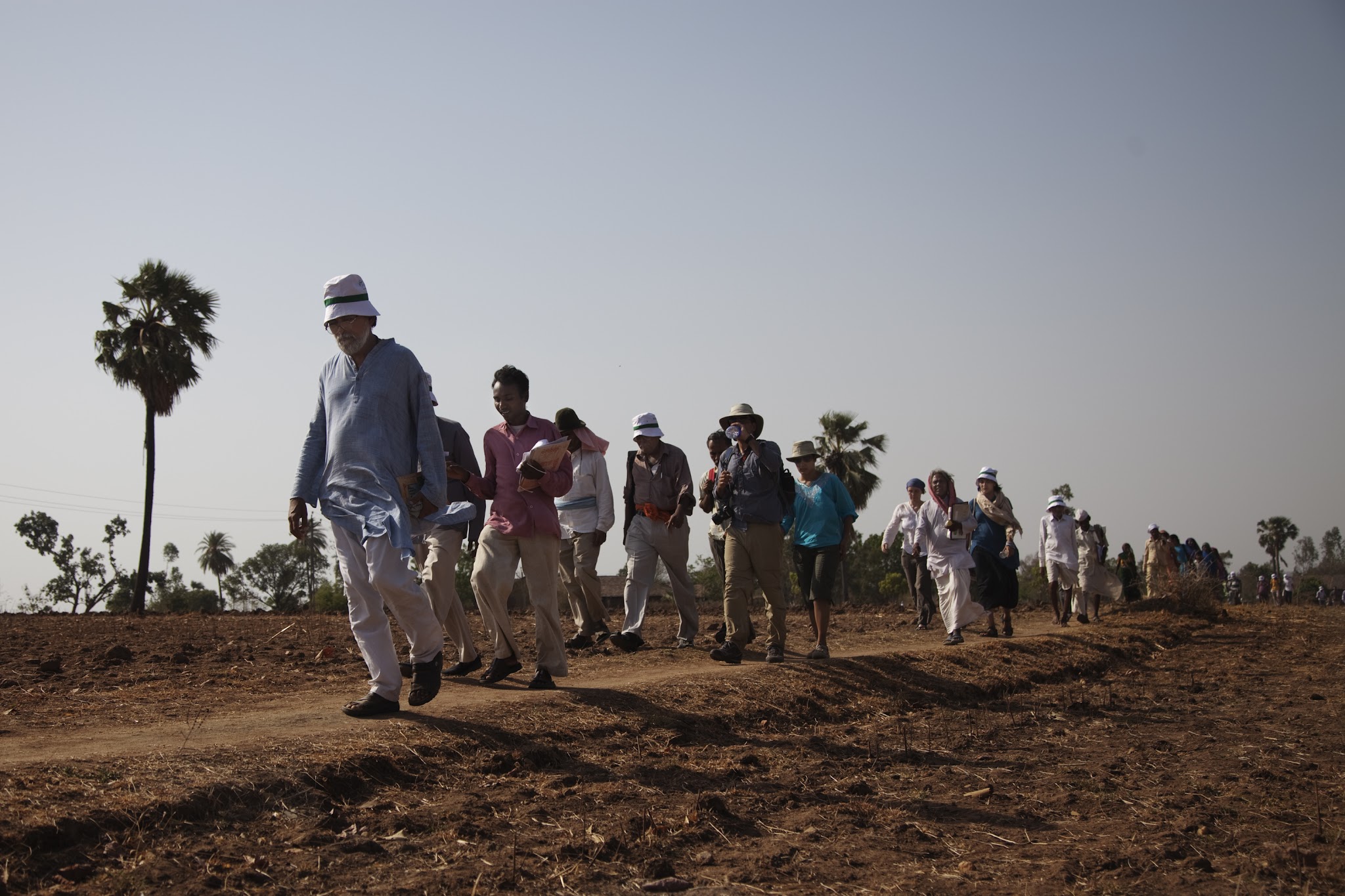
Despite all claims about participatory research and action, seldom have we provided opportunity to creative innovators and traditional knowledge holders to do research themselves as well as in partnership or by hiring formal researchers. This has not only obstructed the reflective learning among the innovators and TK holders but also has created an artificial and insular boundary between traditional and modern science. The heuristics of knowledge system, the trajectory of creative solutions employed by the grassroots innovators simply remains as a local story. It does not go beyond the boundary of the village to inspire his cohorts from different disciplines. The social, cultural and institutional networks that have supported the growth of any particular kind of innovation or TK have still been unexplored. This has triggered the popular thinking that never appreciates the fact that technologies are like ‘word’ where as institutions are ‘grammars’ and culture is ‘thesaurus’. Unless this inter-linkage is not critically acknowledged, decentralized knowledge based enterprises will always remain a far cry. The belief that it is the formal sector only that is only capable of innovations, both efforts and resources have been concentrated in the R & D of the formal sector. Genuine and cutting edge value addition is what the grassroots technologies need to prove the point that grassroots is the crucible of creativity. This can’t be done only with the help of professionals only. This mammoth task requires the creative energy of students, volunteers and even ‘Innovation Insurgents’ (the young men from biodiversity rich insurgency areas). The Academy aims to empower creative people in directing their individual and collective quests for solving problems faced in every day life in firms, farms and households.
Objectives of AASTIIK:
1.To empower grassroots innovators and outstanding traditional knowledge holders to pursue action research about the heuristics used by creative people.
2.To identify the processes that strengthens the diffusion of certain innovations and inhibits that of others. Once the enabling factors are identified, the institutional arrangements will have to be designed and tailored to location and sector specific constraints.
3.To mobilize social capital accumulated by grassroots innovators for creating pressure for policy and institutional changes. The role of social networks embedded in the cultural beliefs and institutions in emergence and articulation of innovations has not been adequately studied. Long term societal changes are not possible without understanding such cultural processes and identifying room for manoeuvre in modifying these processes.
4.To develop a programme for mobilising young insurgents in tribal and other biodiversity rich regions for supporting the cause of creative and innovative people there. In several parts of the country well endowed in biological resources, the lack of economic and social development has led to large scale social unrest. Many of the insurgents are basically angry youth who have lost faith in the capacity of the system to respond to the valid and genuine aspirations of local communities. An Innovation Insurgents Programme will be initiated to mobilise the angry youth towards the cause of supporting creative and knowledge rich, economically poor people. The bio piracy and other kinds of exploitation of knowledge and resources in these regions are unlikely to stop without active, non-violent, peaceful social networks of youth.
5.To develop a distributed mentoring system at a portal (indiainnovates.com) to provide active incubation support to the grassroots innovators in close linkage with NIF, GIAN and Honey Bee Network collaborators.
6.To develop case studies of evolution, erosion and/or assimilation of knowledge and wisdom of creative people in everyday life support structures.
7.To lobby for the emergence of an international intellectual property rights protection regime for traditional knowledge as well as for grassroots innovators at affordable transaction costs
8.To publish studies in different languages authored by grassroots innovators and formally trained scientists about the local knowledge systems providing material for adult as well as young curious creative learners.
9.To facilitate local, regional, and national thematic, regional and cross-sectoral meetings of the innovators to develop their own self-governing systems to transform social customs, institutions and culture to provide greater space for green innovations.
10.To develop various models of material and non-material incentives for rewarding, respecting and recognising the creativity at grassroots.
AASTIIK would provide the real and virtual platform to the innovators, academicians and scholars for presenting, harnessing and upgrading their knowledge pertaining to innovation, creativity, heuristics of traditional knowledge etc. In the subsequent years, it will invite fellows from around the world and offer them rigorous but congenial academic environment for growth of ideas, innovations and institutions. In fact, several advisory committee members have agreed to take up studies on such areas as incubation experiences, traditional knowledge systems, knowledge systems of women centurions, interface between natural, social, ethical and intellectual capital and its bearing on the innovation and its intellectual property rights protection, development of the international registry, evolution of prior informed consent framework, linkage between formal and informal science, bioethics and entrepreneurship, etc. The fellows will have access to the Honey Bee Network database and take up detailed studies of the knowledge network, innovation process, relationship between resource rights and knowledge rights, ways of protecting intellectual property rights, ethical issues in research with local communities, etc.
FUTURE THRUST:The academy will develop a full fledged research programme incorporating the proposals of existing fellows and also the new fellows. In future, proposals will be sent to select members depending upon their specialization. Several studies have been proposed by the members of the advisory committee and detailed sub-contracting arrangements are being developed. International partners will be actively involved in various research programmes in terms of interaction with academic and research institutions for developing unique structure of academy, setting up expert committee, documentation of case studies of similarly focused academies and knowledge institutions, organising seminar/workshops, forging partnerships, formation and launch of academy programmes.
Check out this page for recent updates and announcements on AASTIIK
The educational initiatives of SRISTI have three major objectives. They aim at inculcating curiosity, respect and commitments among children towards nature and environment; involving students from multiple disciplines undertake research and documentation of grassroots innovations and traditional practices with specific reference to women and building a sustainable network of partners who are interested in developing innovative pedagogies and learning processes for children. Following are the major activities that have been undertaken in the past by SRISTI to further the objectives of educational initiatives.
While undertaking relief activities, in the immediate aftermath of the earthquake in Kutchh district in Gujarat, SRISTI observed that education is often accorded a displaced priority. This even became more pathetic due to the poor socio-economic condition of the people in many of the talukas of the district where majority of the people used to migrate. Besides the routine problem of low attendance and high drop out rates among the school going children, the earthquake had created some sort of aberration in the academic environment of the region. Realizing the importance of the issue in the region, the seventh Shodh Yatra that was organized in the Rapar taluka of the Kutchh district, was named as 'Sikshan Sodh Evam Shram Arpan Yatra'. Effort was made to impress on the parents to send their children to school. Understanding the importance of long term institutional engagement, SRISTI organised several workshops and consultative meetings involving many noted local teachers, faculty members of Ravi J Matthai Centre for Educational Innovation, IIM, Ahmedabad, state government officials from GCERT, Gandhinagar and a few local NGOs. What came out from the above efforts was the beginning of 'SRISTI Bal Gram Shala' in form of a concrete 'school project'. The project has been able to establish 19 alternative schools in the areas that lacked any kind of schooling infrastructure in the Rapar taluka. SRISTI helped to set up a separate trust called 'Centre for Research and Social Development' (CRSD), which is currently looking into the educational initiatives. For more on the 'school project' initiated by SRISTI and currently run by CRSD, click here.
One of the major guiding principles of SRISTI behind the educational innovations has been to inculcate a sense of appreciation, care and concern towards the environment and nature. This has been done by organizing bio-diversity contests among the children. The concept of biodiversity competition implies that children in a village school are informed about the competition a few weeks in advance. Each child is told to bring on the appointed date, a list of as many plants as they can find out, identify their uses after talking to their grandparents, neighbours or whoever, and collect samples in the case of plants which are not endangered. They are given points on the basis of each criteria and are also quizzed to find out whether they remember some of the things that they have written. The top rankers are given prizes and social applause. Such competitions invariably lead to a process of knowledge churning in the village.
In the past bio-diversity competition has been organised by SRISTI in the Rapar taluka of Kutchh district and in Banaskantha district. In Kutchh, bio-diversity competition was organised in nine schools with 336 children. Out of them at least 33 children could remember the names and usages of more than hundred plants. The participant, who was awarded first prize in the bio-diversity competition, could remember the names of 728 plants, out of which he wrote the names of 572 plants and could remember the use of 156 plants. In another bio-diversity contest held in the Banaskantha district, a total of 364 students participated from nine schools. The participant, winning the competition was able to name 612 plant names, out of which, he wrote the names of 265 plants, could remember the use of 258 plants and got the samples of 89 plant varieties.
In a meeting held with the Principals of the Gram Vidyapeethas in Gujarat, it has been decided upon the fact that three students from each Vidyapeetha from three different subjects (Agronomy, Extension and Veterinary) would conduct dissertation on the themes like organic farming, understanding traditional practices for increasing milk productivity among cattle and exploring the traditional knowledge among rural women. In the past, SRISTI has been involved in assisting undergraduate women students of a rural college study the animal husbandry practices of local women. The aim of the exercise was to enable the students to learn from the practices of people through a critical process of inquiry. Over the last four years, more than 100 dissertations have been produced.
How can you be involved?
We are planning to assist CRSD to streamline and expand its educational initiatives. There are proposals of starting residential schools for the children of migrating labourers, initiating more and more innovative teaching and learning material for making education more enjoyable for children etc. If you can support any of the above initiatives in whatever form- time, resources, skills, please let us know. You can write to us at sristi@sristi.org
Understanding the tremendous potentiality of information and communication technology in furthering the cause of traditional knowledge and grassroots innovations, SRISTI has initiated a number of activities to network innovators, investors and entrepreneurs and facilitate the dissemination of knowledge and information pertaining to grassroots creativity. The ICT initiatives of SRISTI has aimed at easing the task of accessing the innovation database of Honey Bee Network breaking the barrier of language and medium of data transmission. The initiatives have also taken particular care to facilitate peer learning among the innovators and traditional knowledge holders on one hand and with the institutions of formal excellence and world of entrepreneurship on the other hand. Following are some of the initiatives taken by SRISTI in the field of using ICT to promote grassroots creativity.
The project was implemented with the support from InfoDev division of World Bank and was jointly implemented with IIM, Ahmedabad. Honey Bee Network has mobilized those creative and innovative farmers, artisans, mechanics, fishermen and women and labourers who have solved the problems through their own genius without any outside help, whether from state, market, or even NGOs. Such self triggered and developed innovations whether technological or institutional are scouted, supported, sustained and scaled up wherever possible with or without value addition, or linkage with formal science and technology institutions. Idea is to generate incentives and benefits for the innovators and traditional knowledge holders. The innovations could be developed by individuals or groups. These may have been developed in recent past or long past and some times these innovations or creative practices might have become part of traditional knowledge. We thus also look for outstanding examples of traditional knowledge, which help in conserving and utilizing natural resources in a sustainable manner.
The network encountered several problems in reaching out to the innovators and hence the genesis of Electronic Knowledge Network for Innovators called "Know Net-Grin". The project proposed to develop a model of such a network through a joint initiative with IIM, Ahmedabad, where SRISTI would develop multimedia/multilanguage interface for accessing the database of innovations. IIMA helped to evolve a model of clearing-house of innovations for value addition to these innovation and traditional knowledge.
The project began with the following objectives
Though there were numerous challenges for the project, mostly in the realms of connectivity, we perceived it as a learning process and carried on the activities with such limitations. However the project experience was instrumental in helping us believe in the networking and disseminating potentiality of ICT for grassroots creativity.
This project had aimed at documentation, dissemination, value addition and networking of women innovators, their knowledge and wisdom for their well being. During this phase, we adapted SRISTI methodology and also evolved new methodology for scouting the women innovators. Scouting of new women innovator, through the women scouts was a special approach undertaken during this project. This project could also extend support for the formal education of around 282 girl students of earthquake devastated regions of Gujarat and also resulted in the compilation of 127 thesis on 'Women's indigenous knowledge practices'. It also has explored, devised and successfully accomplished new ways of documenting women's knowledge even on non-conventional food items through 13 recipe contests. By the means of conduction of interviews and questionnaires it has explored and demonstrated women's wider knowledge base in the areas of agriculture, livestock management, human health, socio-cultural issues etc.
The project has enabled 'SRISTI' to formulate veterinary herbal formulations and also helped in conducting on-farm trials for the 'Herbal Pesticide Formulations' to be used by women farmers. Even, the identification and promotion of best practices in various fields as achieved through this project has been recognised as key results.
The project has provided a forum for arranging many meetings with women innovators to identify the technological gaps and devising solutions. During the project, various efforts were also made through awards, honours, recognition and felicitation in order to encourage women innovators. Similarly many steps were taken to mobilize the funds for the women entrepreneur. We could also extend 'SRISTI' membership to women innovators and provide free access to compiled database on 'Innovative practices' and other literature published in regional languages. Also a compilation on 'Women Innovators' was disseminated through multi-media kiosks. An attempt was made to support the activities of women, women NGOs and women network.
Resolute attempts were also made to understand women's problems and devise solutions even through male innovators. It could go a long way in reducing the hardship of women. This was only because we had some of the outstanding innovators and technicians responding to sensitive problems faced by women.
Key Deliverables of the project:
Following are the key deliverables of the project:
The project was supported by National Information System for Science & Technology (NISSAT), Department of Scientific and Industrial Research. The project was the first phase of database development of 1500 outstanding practices in traditional knowledge, grassroots innovation and medicinal plants in multi-media and multiple languages. The database is currently available in four languages viz. English, Hindi, Gujarati and Tamil. SRISTI has entered into a partnership with AISECT, Bhopal for translating and documenting the traditional knowledge and innovations in Hindi. The database currently contains 4515 practices. The project has made the database available to grassroots innovators and traditional knowledge holders through remote nodes, located in rural areas and across regions in India. SRISTI had established a node at IIM, Ahmedabad and another one in one of the villages in Gujarat. Apart from that SRISTI has also established one regional node in Madurai, Tamil Nadu with the local collaborator. The database is also available on-line and is soon to be hosted on the server of Indian Institute of Science, Bangalore for wider accessibility. Only those innovations and traditional knowledge, on which we have Prior Inform Consent (PIC), would be made accessible through the on-line database. The project has also documented 260 medicinal plants across many states in the country including Gujarat, Tamil Nadu, Kerela and Karnataka. It includes documentation of information on various aspects f plants and translation of the information in four languages viz. Hindi, Gujarati, Tamil and English.
The site was launched in association with National Innovation Foundation (NIF) with active contribution from SRISTI. The site aims at creating a one-stop portal to involve professionals in the value chain for developing an innovation from grassroots level to a successful venture. It aims at creating a community of like minded stakeholders willing to share their professional expertise on terms suitable to them. Besides SRISTI and NIF, the site is also being supported by Gujarat Grassroots Innovation Augmentation Network (GIAN) and Honey Bee Network. The site also aims at developing a space for on-line clearing house for the technology transfer of many products that are ready for commercialization.
SRISTI has completed the following projects supported by major global funding agencies and has set various successful models in the field of scouting, documentation, dissemination, conservation, promotion, incubation and valued addition of nature, bio-diversity, local knowledge, grassroots innovations and traditional practices. Following are the projects completed by SRISTI: